Search Results
57 results found with an empty search
- Bristol Stool Chart on Poop
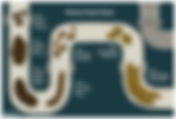
When you see a Naturopath you may be forgiven for thinking they are fixated by what your bowel movements (a.k.a. your poop) looks like. There is very good reason behind this, other than possibly making you feel uncomfortable. The Bristol Stool Chart on poop lets you know how 'normal' or 'abnormal' your poop is. Do you look at your poop? It's important you do as it can indicate early signs of health issues. The 7 types of poop according to the Bristol Stool Chart Image source The Bristol Stool Chart on Poop and its Relevance The Bristol Stool Chart (shown in the graphic) is a way of standardising how we talk about what our bowel movements are like. It is used to help us understand any digestion and elimination issues you may be experiencing. Type 3-4 is what is considered 'normal'. Any sudden changes you have in your bowel movements should be addressed and if you see blood it should be addressed urgently by your G.P. If you aren't pooping daily (1-3 times), then you're not eliminating toxins. Your body will have to use other pathways to eliminate them. This may result in skin breakouts, liver congestion see with the extra roll of fat above your navel, and puffiness from overburdened lymphatics. The colon is one of the elimination channels of the body, and possibly the channel that most people think about when they hear the word elimination. It is part of the digestive system which is all about eating food, breaking it down to extract nutrients and expelling what isn't needed. When this pathway doesn't work well, we can experience issues. Ineffective bowel detoxification may result in: Excessive flatulence and belching Tiredness Bloating Skin issues Cravings Mood changes Pain on the upper right hand side of your abdomen Pale coloured poop Burning reflux Constipation Diarrhoea Nausea Urgency to poop Seeing undigested food in your poop ...and so on. Tips to managing our digestive processes The digestive system is about the digestion of food, absorption of nutrients, and elimination of waste. We can help this process by the following tips: We can stimulate a sluggish digestive system by drinking a glass of warm water with lemon squeezed into it, 30-minutes before we eat at meal times. Apple cider vinegar may also be used. Chewing our food stimulates gastric acids and enzymes required to break our food down. This is important so we get the nutrients from our food. If we chew well, we reduce the chance of gastric reflux or indigestion. Improperly broken down food is what we feel coming up with gastric reflux, along with stomach acid that has tried but hasn't been successful in breaking down big clumps of food. So if you chew well (20 chews per mouthful), we reduce our chances of digestive issues. These may include gastric reflux, bloating, tiredness, pale coloured poop, skin issues, excessive flatulence, belching, pain, intestinal permeability or leaky gut from undigested, fermented foods that produce gas, anaemia, and immune issues. Take a break between mouthfuls. Eating slower means we also inhale less air. Less air in means less air has to come out! Watch our portion sizes - a clenched fist is the size of our stomach. If we adopt the mantra that no food is off limits, but make sure we keep our portion sizes the size of a clenched fist then emotionally and physically we will be satisfied. It may take some time to slowly wean your stomach size back if you've been consuming more than a fist size, but it will shrink back over time. Don't drink fluids with meals. Wait until 30-minutes after you've finished eating. If you drink fluid with meals, it dilutes our stomach acids. These acids are needed to break down foods, and to extract the nutrients we need. If we drink with our meals, symptoms may appear again - reflux, tiredness, cravings, bloating, excessive wind etc When you feel the first sign of needing to have a bowel movement - do it! Retained faeces suffocates your bowel, and more toxins are produced . Ensure your fluid intake is at 2-2.5 litres per day. Drinking chamomile tea can also assist bowel evacuations by softening the waste and relaxing the bowel wall. Aloe vera juice can assist an irritated bowel (leaky gut). Treating leaky gut can help reduce cravings, help with feelings of exhaustion, immune issues, as well as mood changes. Special note on our Immune System Around 80% of our immune system lines our digestive tract. If you don't look after your digestion, your immunity suffers. Think of you digestive system first when you have constant immunity issues. Is it being looked after as best as you can? If you feel the symptoms above are something that you'd like to discuss with me personally, please make an appointment. Sign Up for Further Educational Material If you would like to make sure you don't miss a Blog update from me, or would like to receive more information in the form of upcoming e-Books and Online courses, then please subscribe to my mailing list at the bottom of the Blog front page. References: Weaver L, (2018), Exhausted to Energised , Little Green Frog Publishing ARTICLE/CONTENT DISCLAIMER The information provided in this blog/article/handout is for your personal or other non-commercial, educational purposes. It should not be considered as medical or professional advice. We recommend you consult with a GP or other healthcare professional before taking or omitting to take any action based on this blog/article/handout. While the author uses best endeavours to provide accurate and true content, the author makes no guarantees or promises and assumes no liability regarding the accuracy, reliability or completeness of the information presented. The information, opinions, and recommendations presented in this blog/article/handout are for general information only and any reliance on the information provided in this blog/article/handout is done at your own risk. Any third-party materials or content of any third-party site referenced in this blog/article/handout do not necessarily reflect the author’s opinion, standards or policies and the author does not assume any liability for them whatsoever.
- Liver & the Detoxification Process
The burden we place on our body determines how well the liver and our detoxification processes can occur in our body to keep us healthy. This burden falls mostly on our liver whose primary job is detoxification. Toxin types, and how they are cleared in Phase I and II of our liver detoxification process. Image source The Digestive Process and Liver Detoxification Let us in basic terms follow our digestive process so we understand what is happening in our bodies. We eat food and chew it up. Chewing tells our stomach it's about to get some food so get ready for it. Chewing also breaks certain food types down with the help of enzymes from our saliva in our mouths. The Digestive process The chewed food goes down our oesophagus and enters our stomach which is highly acidic because it's pumped out acid in preparation for the food coming its way. The acid is needed to break down our food even further. This process of breaking down food is important so we can get the nutrients extracted from our food. If we gulp food down without chewing, our stomach has a hard job of breaking big chunks of food down. This is when we can suffer gastric reflux as increasing amounts of acid keeps pouring into our stomach trying to break down the chunks of food, and the acid can climb back up as reflux. If the stomach isn't acidic enough because we are drinking fluids with our meals (imagine fiery flames being put out by water), then we can also negatively impact on the breakdown process. Once the broken down food leaves our stomach and enters our small intestine, further fluids pour in. The fluids are from our pancreas which pumps out bicarbonate to put the fire out from the acid, as we now don't want an acidic environment in our intestines. Bicarbonate comes from eating fruits and vegetables. If there isn't enough bicarbonate pumped out and the acidity isn't dampened down, we can alter our microbiome allowing bacteria in our gut to live in places it shouldn't which causes a lot of digestive issues. The gall bladder also secretes stored bile to help emulsify fats much like getting fat dissolved off frying pans. Once the food is broken down into its smallest building blocks, it gets absorbed across the walls of our small intestine through the villi and enters our bloodstream and our body's cells for use. Our blood travels to the liver. The liver filters the blood coming from our intestines and 'detoxifies' it. This occurs in everyone's body regardless if you have an ultra clean lifestyle or not. It is a normal, essential process. Toxins that need detoxifying that enter our body can be summarised as: pollution (e.g. smoking, vaping, car fumes, bush fire smoke) contaminants (e.g. heavy metals from dental fillings) micro-organisms (bacteria, viruses, etc) mould alcohol caffeine drugs (pharmaceutical and recreational) food additives in processed foods pesticides sprayed on our fruits and vegetables that we don't wash off effectively hormones and substances that recirculate in our bodies after we've used them if they're not eliminated effectively, for example: - recirculated oestrogen (which can lead to hormonal imbalances) - histamine - bilirubin - adrenaline from stress - cholesterol etc. We need these things removed once they've done the job they need to do, not to be recycled and recirculated again else they accumulate at higher levels. A good microbiome in our bowels will ensure this happens, and a good microbiome comes from fruits and vegetables. The process of detoxification of those toxins occurs in our liver where the process is to take things that can't be excreted by the body and made into products where it can be excreted safely by the body, either in our poop or urine or sweat. To enable the detoxification process in the liver to occur, we need lots of vitamins and minerals every day. We need: all of the B vitamins (green leafy vegetables) vitamins A,C,D,E (fruits, vegetables, seeds) calcium (from almonds, tahini, cheese) antioxidants from our fruits (the more colourful the better), and vegetables (especially cabbage, broccoli, Brussel sprouts, kale, cauliflower, garlic, onion, shallots) choline (from eggs) magnesium (from nuts and seeds) glutathione which is affectionately known as the 'mother of all antioxidants" (we make it ourselves but we support the production through antioxidant foods like all fruits and vegetables from all the colours of the rainbow) detoxifying herbs (St. Mary's thistle, Dandelion) and spices (turmeric) good quality protein (peas, organic meat) green tea etc. There's always a reason why eating well is important. Once the detoxification phase 1 and phase 2 are complete, the body eliminates them via our kidneys as urine, or via our bowels as poop with the assistance of bile. If you're not eating the mentioned foods, and you've got a toxic burden, your liver won't be happy and you'll start to see signs and symptoms (see below). Simple, helpful messages To help the process, the following messages apply: Message 1: Chew your food slowly into very small pieces. Message 2: Don't drink with your meals as it will dampen down the acidity in your stomach. Don't get confused here - we want acid in our stomach. We do not want acid climbing back up our oesophagus and giving us heartburn which occurs if we have poor digestive acid. Message 3: Don't overburden your body with known toxins. Restrict alcohol, keep drug use to essential requirements only, eat an organic whole food diet that has limited pesticide exposure, and limit processed foods. Eating an organic, whole food diet will also ensure we have a healthy 'microbiome' or healthy bacteria in our colon that will assist the detoxification process, and not hinder it. Message 4: If we don't get rid of toxins, they'll stay in the body and tuck away in dark corners (like our fat cells) and become nasty and reactive. This is why if we've lost weight we can sometimes begin to feel unwell after a while, as all the stored toxins from our fat cells start to get released. Our body can protect us from this toxin release by preventing further weight loss, hence why sometimes we can hit a plateau . This period of adjustment needs additional support with a toxin binder and should be assisted by a clinical naturopath who can help you with this. Message 5: Eat an array of colourful fruits and vegetables, make your meals flavoursome with herbs and spices, eat good quality, organic protein sources (whether that be plant or animal sources), get sunshine, and move your body gently each day, and the detoxification process will work well. Message 6: Don't routinely overburden your body with known toxins. If you do (parties, celebrations, Christmas etc), really ramp up the healthy living afterwards to help your poor liver deal with the load. It will need a good supply of the vitamins, minerals, protein sources and detoxifying herbs and spices to deal with the burden. An important note on alcohol The human body cannot eliminate alcohol without it being altered via the detoxification process. It gets altered into acetaldehyde (which is what causes hangovers and headaches). Acetaldehyde is poisonous if left so the body ensures that detoxifying acetaldehyde becomes a priority. If you bombard your body with alcohol, the liver will be very focused on detoxifying it which means everything else doesn't get detoxified with the same priority. Eventually, if this is a common occurrence, the liver won't cope with all the detoxifying it needs to do and that is when the onset of liver disease starts. Fat cells start to occupy space in the liver to lock away the toxins, and so the liver function begins to be depleted. Moderation is the key to all things in life if we want to keep healthy. Signs and symptoms your body needs help with detoxification Increased cholesterol levels (the liver makes about 80% of our cholesterol and inflammation increases the level) Hormonal imbalances Skin issues as the bowel struggles to eliminate waste so the skin takes over the burden (eczema, acne, dry skin, rosacea, rashes, itchy skin) Unexplained weight gain, sluggish metabolism, can't lose weight (stubborn inability to lose weight), pot belly Digestive symptoms (bad breath, nausea, vomiting, constipation, diarrhoea, wind and bloating, coated tongue, gall bladder issues, pain, intolerance to fatty foods, intolerance to alcohol) Fatty liver (from alcoholic or non-alcoholic sources) Body odour Joint pain, back aches Cellulite - when we stop exercising our muscles shrink in size and fat occupies the space. If we also increase the toxic burden on our body and the liver can't keep up with detoxifying the load, the body will protect itself from the potential toxic damage by stuffing the toxins in our fat cells. Liver roll - fatty roll above the navel and below the breast tissue (this is a big message that the liver needs support and can be reduced when the liver is assisted). Pain in the upper right hand quadrant of abdomen under bra-line (highlights the gall bladder needs help) Type 2 diabetes Mood swings where you get angry at everything Depression Brain fog and inability to concentrate Overheating in your body Headaches Anxiety Immunity issues Sensitivity to smells Sinus congestion Dark circles under your eyes Menstrual issues (passing clots) Brown liver spots on skin Pimples around your nose Itchy palms and soles of feet Flushed appearance to face (broken, tiny blood capillaries) Hot flushes in menopause are worse Pre-menstrual syndrome (PMS) is difficult Insomnia and regularly waking at 2am Bone weary tiredness Not hungry for breakfast (only wanting coffee) Angry when hungry ("Hangry") A more detailed graphic of what is happening in the body is shown. If you would like to understand this further I would be only too pleased to take you through it and how your body may be affected by certain reactions in the normal, everyday detoxification process the liver performs. The supportive nutrients taken from our diet and how they help ensure liver detoxification works well. Image source If you would like to discuss further how you can deal with these symptoms, please don't hesitate to make an appointment. We just need to be consistent in our efforts, not perfect. Sign Up for Further Educational Material If you would like to make sure you don't miss a Blog update from me, or would like to receive more information in the form of upcoming e-Books and Online courses, then please subscribe to my mailing list at the bottom of the Blog front page. References: Hodges R & Minich D, (2015), Modulation of Metabolic Pathways Using Foods and Food-Derived Components: A Scientific Review with Clinical Application , J Nutrition Metabolism doi:10.1155/2015/760689 Weaver L, (2018), Exhausted to Energised , Little Green Frog Publishing Liska DJ, 1998, The Detoxification Enzyme Systems , Altern Med Review; 3(3):187-198 ARTICLE/CONTENT DISCLAIMER The information provided in this blog/article/handout is for your personal or other non-commercial, educational purposes. It should not be considered as medical or professional advice. We recommend you consult with a GP or other healthcare professional before taking or omitting to take any action based on this blog/article/handout. While the author uses best endeavours to provide accurate and true content, the author makes no guarantees or promises and assumes no liability regarding the accuracy, reliability or completeness of the information presented. The information, opinions, and recommendations presented in this blog/article/handout are for general information only and any reliance on the information provided in this blog/article/handout is done at your own risk. Any third-party materials or content of any third-party site referenced in this blog/article/handout do not necessarily reflect the author’s opinion, standards or policies and the author does not assume any liability for them whatsoever.
- Skin Issues and Toxin Elimination
Skin issues and toxin elimination are directly linked. Our skin needs to eliminate toxic waste through proper elimination channels. Perspiration via our skin is a less commonly thought about method of eliminating toxins from our bodies. How many of us actively perspire every day? A lot of us tend to manage our perspiration by sitting in climate-controlled environments. Skin is an organ of elimination for perspiration, and if our other channels of elimination are blocked we will see the adverse effects on our skin. This can occur if our bowels are not eliminating each day, if our kidneys aren't flushing properly by not drinking enough water, if our liver is congested and overwhelmed, if our lymphatics are stagnant as we haven't moved enough, and our lungs haven't expanded properly if we aren't breathing diaphragmatically. Skin issues with poor toxin elimination The gut and skin barrier share surprisingly many features. Both organs have lots of nerves and blood vessels, as they are both essential for immune function. They are linked by what is called the gut–skin axis. The 'inner' surface of the gut and the 'outer' surface of the skin are both covered by a very thin epithelial cell layer. Both, importantly, have direct contact with the outside environment and our immune system protects both the environments in its front-line defence system. If our gut and bowels are clogged via constipation, or our diet is poor, or the gut epithelial layer is compromised, we have set ourself up for skin issues. Intestinal barrier integrity plays a crucial role in protecting microbes from entering our bloodstream and to help avoid inflammation in the gut. Certain foods can impair the intestinal barrier, which leads to gut bacteria entering the bloodstream. Skin issues directly link to what is happening in your gut The difference between healthy skin and dysbiotic skin and the link with the gut microbiome Image source Skin issues from poor elimination Acne Atopic Dermatitis Eczema Psoriasis Rosacea Seborrheic Dermatitis Dandruff Pimples Rashes Spidery veins Bulbous, red nose Effects of Rosacea on our facial skin Image source Helpful solutions to skin issues and toxin elimination A good starting solution to ensuring we keep our skin looking great is to drink 2-2.5L of good quality, fresh water per day so our kidneys and bowels work well. Breathe diaphragmatically and move your body so the lungs and lymphatics work properly. Reduce our toxin load on our poor liver, and eat a nice anti-inflammatory diet with lots of colourful fruits and vegetables. Our skin will naturally benefit. It would be beneficial to speak to a Naturopath who can help you get your gut examined via a stool sample. This points us in the direction that is specific to your needs so we can get your skin looking great again. If you want to know more, please read the clinical paper referenced on the Gut-Skin Axis. If you would like to discuss how to deal with any of these concerns in person, please don't hesitate to make an appointment on the Bookings tab on my website. Sign Up for Further Educational Material If you would like to make sure you don't miss a Blog update from me, or would like to receive more information in the form of upcoming e-Books and Online courses, then please subscribe to my mailing list at the bottom of the Blog front page. References: Gut-Skin Axis: Current Knowledge of the Interrelationship between Microbial Dysbiosis and Skin Conditions, PMI: 33670115, Physiology of sweet gland function: The roles of sweating and sweat composition human health, PMID: 31608304, DOI: 10.1080/23328940.2019.1632145 Rosacea Overview ARTICLE/CONTENT DISCLAIMER The information provided in this blog/article/handout is for your personal or other non-commercial, educational purposes. It should not be considered as medical or professional advice. We recommend you consult with a GP or other healthcare professional before taking or omitting to take any action based on this blog/article/handout. While the author uses best endeavours to provide accurate and true content, the author makes no guarantees or promises and assumes no liability regarding the accuracy, reliability or completeness of the information presented. The information, opinions, and recommendations presented in this blog/article/handout are for general information only and any reliance on the information provided in this blog/article/handout is done at your own risk. Any third-party materials or content of any third-party site referenced in this blog/article/handout do not necessarily reflect the author’s opinion, standards or policies and the author does not assume any liability for them whatsoever.
- Diaphragmatic Breathing for Good Detoxification
Our breathing is one of the key things we can do to detoxify well. Diaphragmatic breathing for good detoxification is crucial. In other words, how we breathe is critical. A lot of us sit for long periods of time and we shallow breathe meaning our body doesn't really move and we only fill the top part of our lungs. To breathe properly we need to use diaphragmatic breathing. This is breathing in deeply through our nose and our belly should go OUT in this process. Then when we breathe out through our mouth, our belly should then shrink back IN. If you don't do this properly you will hyperventilate and become short of breath. The Process of Diaphragmatic Breathing for Good Detoxification Slowly breathe IN through your nostrils, belly OUT; then slowly breathe OUT through your mouth, and belly falls IN. Correct breathing means our belly goes out on inhalation, and our belly goes in on exhalation.. Image source Have you ever walked up stairs or a hill or incline and wondered why you were out of breath? You are not necessarily unfit, but may be actually breathing incorrectly. Try ensuring that several times throughout the day you do deep, slow, diaphragmatic breathing to get good oxygen into your lungs. The added benefit is that our diaphragm under our lungs pushes downwards on our abdominal organs (liver, gall bladder, small intestines) and in doing so massages them. This helps the other organs in the body do their jobs better as well. The encouragement for diaphragmatic breathing is where exercise comes into play. It does not need to be intense exercise, but rather gentle exercise that just encourages you to breathe a little deeper like walking. This ensures we move oxygen to our tissues and organs that need them. When we breathe in through our nose, the hairs inside our nostrils filter out potential toxins that we can breathe in like fumes, smoke, allergens etc. When we breathe out through our mouth we also expel toxins out of our body like carbon dioxide. This process prevents our blood becoming acidic. An added benefit of diaphragmatic breathing is it takes us out of a sympathetic nervous system response (think stress), and turns us into parasympathetic response (think happy relaxing thoughts). So sitting for too long isn't good on so many fronts, but we can help by reminding ourselves to breathe correctly via diaphragmatic breathing. We also need to ensure we are breathing in clean, fresh air from as clean an environment as possible, by reducing exposure to fumes, smoke, and toxins. Symptoms from poor breathing technique Shortness of breath on exertion Stress Feelings of coldness Brain fog, inability to concentrate Sore, aching body, and more... If you would like help to understand this concept further, please don't hesitate to make an appointment. Sign Up for Further Educational Material If you would like to make sure you don't miss a Blog update from me, or would like to receive more information in the form of upcoming e-Books and Online courses, then please subscribe to my mailing list at the bottom of the Blog front page. References: Weaver L, (2018), Exhausted to Energised , Little Green Frog Publishing ARTICLE/CONTENT DISCLAIMER The information provided in this blog/article/handout is for your personal or other non-commercial, educational purposes. It should not be considered as medical or professional advice. We recommend you consult with a GP or other healthcare professional before taking or omitting to take any action based on this blog/article/handout. While the author uses best endeavours to provide accurate and true content, the author makes no guarantees or promises and assumes no liability regarding the accuracy, reliability or completeness of the information presented. The information, opinions, and recommendations presented in this blog/article/handout are for general information only and any reliance on the information provided in this blog/article/handout is done at your own risk. Any third-party materials or content of any third-party site referenced in this blog/article/handout do not necessarily reflect the author’s opinion, standards or policies and the author does not assume any liability for them whatsoever.
- Lymphatic Drainage for Good Detoxification
The lymphatic system is often forgotten in the detoxification processes, but if the other main detoxification pathways aren't clearing properly then there will be added burden on the lymphatics. Lymphatic drainage is imperative for good detoxification. The Lymphatic System and where it draws from to drain and hence detoxify in the body. Image source The lymphatic system is a network of vessels in our bodies designed to drain waste from our cells. Our blood vessels leak fluids into our tissues every day, and this tissue fluid gets collected by the lymphatic system, returned to the bloodstream for filtering out of the body. The lymphatic system doesn't have a pump system like our bloodstream does so it relies on us moving our bodies to move the lymph fluid along as movement massages it along. If we don't move a lot, the lymph fluid can become thick like honey instead of watery. Our immune fighting cells, our T-lymphocytes, also travel from the bone marrow to the thymus via the lymphatic system to get their education to learn how to detect 'self' from 'non-self' which is important to prevent autoimmunity. The lymph fluid also passes through our lymph nodes which filter out pathogens from our bodies. The majority of our lymphatic system lies just beneath our skin (70%) so gentle movement assists it. The other 30% is deep and gets moved by ensuring we use diaphragmatic breathing. The best thing we can do is make sure we move every hour if we have sedentary jobs by simply bouncing on our feet, or doing heel drops. These engage our parasympathetic nervous system so this has the added bonus of calming us down if we have stressful lives. Symptoms from stagnant lymphatics include: Inability to lose weight - lymphatic fluid removes our cells toxins, and if we can't clear those toxins, our body will 'hang on' to toxins in our fat cells. Result - we don't lose weight Increase in acute infections Chronic tonsillitis/ enlarged tonsils Chronic sinus issues Sore throats Chronic headaches Rashes Swelling/ puffiness/ fluid retention Mouth breathing Lumps in groin (enlarged lymph nodes) Allergies/ sensitivities Brain fog Chronic fatigue Depression Waking up between 3-5am Tight clothes make you feel very uncomfortable Reactions to dairy Muscle or joint pain Stiffness Cravings Cellulite Irritability Acidity of the body Mould sensitivity Smelly armpits Oestrogen imbalance - as progesterone moves through lymphatics (or not if there's congestion), so conditions like PCOS, endometriosis, PMS, Fibrocystic breasts can also prevail. Conditions in which you should not do lymphatic drainage without consulting your doctor include Congestive Heart Failure, Kidney Failure, if you have Blood Clots, Cancer, or have an acute infection (flu, tonsillitis etc). Most of our lymph nodes are located where we bend our bodies , so they can become congested and the lymph fluid can find it difficult to move. We can end up with large, hard lymph nodes e.g. in groin. As the lymphatic system has no pump, simply laying on the ground with your legs up against a wall will help lymph fluid move upwards toward the termini drain if you are suffering from puffiness from being on your feet for too long. Lymphatic Detoxification Step-by-Step Guide For a step-by-step guide on how to perform Lymphatic Drainage, head to my Resources tab via the Step-by-Step Guide button below, and download a comprehensive document describing how to perform it. As with all detoxification processes, if there are severe symptoms that express themselves, a practitioner can help support you. If you would like to discuss your own personal circumstances, please make an appointment via the booking tab. Sign Up for Further Educational Material If you would like to make sure you don't miss a Blog update from me, or would like to receive more information in the form of upcoming e-Books and Online courses, then please subscribe to my mailing list at the bottom of the Blog front page. References: Lymphatic System (Human Anatomy): Image, Function, Diseases and Treatments Dr. Caitlin Czezowski for physical training on lymphatic drainage ARTICLE/CONTENT DISCLAIMER The information provided in this blog/article/handout is for your personal or other non-commercial, educational purposes. It should not be considered as medical or professional advice. We recommend you consult with a GP or other healthcare professional before taking or omitting to take any action based on this blog/article/handout. While the author uses best endeavours to provide accurate and true content, the author makes no guarantees or promises and assumes no liability regarding the accuracy, reliability or completeness of the information presented. The information, opinions, and recommendations presented in this blog/article/handout are for general information only and any reliance on the information provided in this blog/article/handout is done at your own risk. Any third-party materials or content of any third-party site referenced in this blog/article/handout do not necessarily reflect the author’s opinion, standards or policies and the author does not assume any liability for them whatsoever.
- Genetics & Impact on Detoxification
How do our inherited genetics impact our detoxification processes? It seems they impact a lot, but take heart, because good nutrition can actually override them! This is the art of Nutritional Genomics. It is the area of study focused on looking at how our diet, and the nutrients we absorb from food, interact and act on our inherited genes. The exciting news is that what we eat can have a major influence on rectifying the functional genes we have inherited that are involved in the biochemical pathways in our bodies (a.k.a our engine rooms). Genetics and their Impacts on our Detoxification How do our genes and the functioning enzymes they create, influence how well our liver detoxifies toxins? The genes show what our POTENTIAL strengths and weaknesses might be with liver detoxification. Potential genetic weaknesses can be strengthened with good lifestyle choices and good nutrition, and conversely potential genetic strengths can be weakened with poor lifestyle choices and poor nutrition. Let's break down what happens in the liver detoxification process, and where the genes and the enzymes they code for, are located, and what they do. Phase I and II Liver Detoxification highlighting the genes and processes involved. Graphic from MTHFRSupport Variant Report v2.12 Toxins that enter our body can be endogenous (we produce them) or exogenous (from outside the body). Most toxins are fat soluble meaning they will get stored in our fat cells if we aren't clearing them out of our body properly. If we aren't clearing them well, they can be released at times of stress (even released when we lose weight) and do damage to us if our detoxification pathways aren't clear. Let's explore the detoxification process in the liver and where our genes interact in the process. Phase I Detoxification known as Oxidation Shown on the left hand side of the graphic above. The Cytochrome P450 enzymes (CYP enzymes) are used to convert toxins and hormones we make (oestrogen, testosterone, cholesterol etc) into smaller, more water soluble components. This process results in intermediary free radicals which are reactive ( they can do damage ). Phase I is important to be able to make the toxins in a form that can be excreted by the body, but if we don't have good Phase II pathway processes, or Phase III (which is pooping the products out), then our body sits with these reactive products in our liver that can cause damage. This is the reason why constipation is not a good thing as it allows the toxic waste to hand around in our bodies. As a protective safeguard against this, we need to eat lots of antioxidants in the form of colourful fruits and vegetables, nuts and seeds, herbs and spices. Phase I detoxification is primarily for removing medications, drugs, and hormones. We favourably stimulate Phase I activity by consuming cruciferous vegetables (broccoli, cauliflower, Brussel sprouts, watercress, cabbage, kale), foods rich in B vitamins (organic, grass fed meat, wild caught salmon), folate (green leafy vegetables like spinach, beet greens, rocket, turnip, lentils), colourful vegetables for flavonoids, vitamin C rich foods (strawberries, capsicum, oranges, lemons) and glutathione promoting foods from sulphur rich foods (like garlic, onions), herbs (e.g. Milk Thistle). We can overstimulate Phase I activity (which isn't desired) with caffeine, alcohol, exposure to paint fumes, pesticides, oral contraceptive pill, cortisone, heavy metals (amalgam fillings), pesticides, steroids, lipopolysaaccharides (bacterial toxins from inflammatory, saturated fat diets), mycotoxins (from mould), pthalates and BPA (from plastics), dioxins (from industrial waste) etc. This mean we can generate more reactive products from these. This can lead to health issues like cancer, cardiovascular problems, premature ageing, skin damage etc. As Phase I makes toxins more reactive, you can start to see why our life choices can have a negative impact on our liver. Phase II detoxification is crucial in ensuring this doesn't happen. Some examples of CYP enzymes used in Phase I detoxification are: CYP1A1 and CYP1B1 metabolise oestrogen CYP1A2 is involved in caffeine metabolism. If you are one of these people that can't drink coffee after a certain time as it keeps you awake then you may be a slow metaboliser based on your CYP1A2 gene expression. CYP19A1 metabolises androgens (testosterone) CYP3A4 metabolises most of our pharmaceutical medications. Inflammation slows down our CYP3A4 activity. If we are taking pharmaceutical medications, we need to make sure we aren't inflamed. This often isn't the case, as it is often the reason we are on medication in the first place. Drugs in our bodies can be up or down regulated depending on our genes. Inflammation can either up-regulate or down-regulate activity also. Phase II Detoxification known as Conjugation Shown on the right side of the graphic above. After Phase I has made the toxins more water soluble (good thing) but more reactive (bad thing), we need to grab hold of them to eliminate them from the body. The liver does this via six processes in Phase 2 detoxification. Whilst it is described technically below, we can think of it in simple terms as just adding another chemical (conjugating) to the toxin to help it get eliminated. Glucuronidation - uses the enzyme UGT to add UDP-glucuronic acid to metabolites for excretion. This pathway is one of the most important pathways. It is important for the metabolism of steroid hormones like oestrogen, androgens (testosterone, DHEA), thyroid hormones (T3, T4), Bilirubin, some mycotoxins, medications (NSAID's, Benzo's, Paracetamol, Codeine, Morphine). Issues that can occur include Gilbert's syndrome if you have impaired UGT enzymes seen when your bilirubin level is high. Also, if we have high levels of the enzyme B-glucuronidase from bacteria in our gut microbiome, then that enzyme will destroy all the good work your body has done in conjugating up the toxins for elimination, by literally 'cutting them up' and will resdispense them throughout your body again. This is a way that we can get increased oestrogen imbalance, and histamine imbalance in our bodies. The message is: eat well (fruits and vegetables) to keep B-glucuronidase levels normal, and to encourage healthy Phase II pathway clearance. A practitioner can help bring this back in balance for you. Sulphation - uses the SULT gene to make sulfotransferase enzyme that transfers a sulphate group to toxins to make water soluble for excretion. Our body requires sulphur rich foods (cruciferous vegetables, allium vegetables, eggs, organic, grass fed meats), and epsom salt baths to help with this process. Issues can occur if we have low protein diets, low sulphur food diets, low magnesium levels, issues with our SULT (sulphotransferase enzymes), have very high toxin exposure which can deplete sulphur from our bodies, have inflammation, or gut dysbiosis. Signs you may have sulphating issues are chemical sensitivities, asthma, chronic fatigue, migraines and more. A practitioner can help bring this back in balance for you. Methylation - uses methyl transferases with the methyl group (-CH3) being one of the most powerful groups that gets transferred in many processes in our body to keep us healthy, including looking after our DNA. Methylation is involved in many bodily processes, as well as detoxification. The MTHFR gene expression can have an impact on the amount of methyl donors generated. If you are homozygous you have a very limited amount of methyl donors generated so you have to work really hard on your diet to make them. This means eating a lot of green, leafy vegetables. Methylation is involved in the detoxification of oestrogen in the liver. Phase II methylation of oestrogen is governed by our COMT enzyme (catechol-o-methyltransferase) which relies on its methyl donor from SAM (S-adenyosylmethionine). We need methionine, choline, B12 and folate for this to function well. Methylation conjugates oestrogen, catecholamines (dopamine, adrenalin etc), histamine, heavy metals, phenols, and aromatic amines (smells and fumes). Inhibitors of methylation are the oral contraceptive pill, antibiotics, and proton pump inhibitors that are taken for gastric reflux. If methylation isn't occurring well we can get elevated homocysteine which is said to be a predictor for cardiac health issues. A low homocysteine on the other hand can be a sign of oxidative stress, which results in less ability to make glutathione which is our body's most powerful antioxidant. Homocysteine is the 'canary in the mine' and is an important blood test to monitor and results should be around 7-7.5 umol/L. We need good amounts of active folate, active Vitamin B12, methionine, active Vitamin B6, and Zinc to make this pathway work well. A practitioner can help bring this back in balance for you. Glutathione conjugation - process uses Glutathione s-transferase (GST) and crucially relies on glutathione which is the body's major antioxidant. Many chronic illnesses are associated with glutathione deficiency. It processes pesticides, herbicides, heavy metals, mycotoxins, medications, and alcohol. N-acetyl cysteine is the precursor to glutathione. A qualified practitioner can hep bring this back in balance for you. Acetylation - requires NAT and NAT2 (N-acetyl transferases) and is used for medication and drug detoxification, histamine and aromatic amines. Unlike other enzymes activity in the other Phase 2 processes that are affected by environmental factors, acetylation is mostly genetically determined to work well or not. Amino acid conjugation - used for salicylate conjugation (from our salicylate foods, and also aspirin, NSAID's), and in personal care products, with preservatives in our foods, and toluene in nail polish, glues, cleaning products etc. A practitioner can help bring this back in balance for you. Phase III Detoxification known as Transportation Phase III is the transport of the conjugated toxins to the kidneys for elimination in urine, or added to bile and excreted from our bowels as faeces (poop). Phase III requires adequate hydration (2-2.5L water per day), fibre, and ensuring your daily poop looks like a 4 or 5 score on the Bristol Stool Chart - like a firm, slippery banana! Naturopaths are comfortable discussing poop. If you are not scoring a 3 or 4 then it is likely you have dysbiosis (an unhealthy 'playground' of bacteria in your bowels), or are lacking in fibre (which is the food of choice for the good bacteria we want in our bowels), are magnesium deficient, have some sort of food intolerance, or simply don't drink enough water. IMPORTANT NOTE: Hopefully through reading this you can see that you must have good elimination occurring before you start a liver detoxification program. If you aren't clearing the toxic waste from your body that the liver has processed, you can only become more toxic if you aren't pooping, urinating well, and sweating. Never work on Phase I detoxification without working on ensuring Phase II works optimally. The order should always be to focus on Phase III (daily pooping), then Phase II and the Phase I. Alcohol - interesting note Alcohol stimulates Phase I and slows down Phase II detoxification. This means there is an increase of the reactive oxygen species (ROS) that our body won't allow to hang around in our blood so it stores it in fat cells (fatty liver). We can start to see how alcohol can cause fatty liver disease, destroy liver cells and be quite toxic for us. Moderation is the key. Cholesterol - interesting note If your Phase 2 detoxification isn't working well, you can get elevated cholesterol. It is a sign that the liver needs some attention. Cholesterol is needed to make sex hormones and for brain cognition, so just the correct amount is needed. A confounder for high cholesterol, is that essential fatty acids (EFA's) and zinc are needed to convert cholesterol to sex hormones. If we are deficient in EFA's (from fish, nuts and seeds) and zinc (oysters are a great source) we can't convert, and so our cholesterol levels remain high. Putting it all together graphically again, we see the complete liver detoxification process, and the nutrients required to make it work well. Nutrients required for effective liver detoxification shown at each stage. Image source A detoxification program or liver support program should be undertaken with a practitioner to safeguard against potential issues. A practitioner can share the specific knowledge you need to take care of your personal circumstances. The old saying 'we are what we eat' can be translated to 'we are what we don't detoxify'. If you feel you would like to discuss your own needs in this regard, or wish to have genetic profiling for your wellness potential tested and interpreted for you, please feel free to book an appointment. Sign Up for Further Educational Material If you would like to make sure you don't miss a Blog update from me, or would like to receive more information in the form of upcoming e-Books and Online courses, then please subscribe to my mailing list at the bottom of the Blog front page. References: Hodges R & Minich D, (2015), Modulation of Metabolic Pathways Using Foods and Food-Derived Components: A Scientific Review with Clinical Application , J Nutrition Metabolism doi:10.1155/2015/760689 Nutritional spaces of detoxification in clinical practice The DNA Blog from XCode Mini D & Brown B, (2019), A Review of Dietary (Phyto) Nutrients for Glutathione Support , Nutrients, doi:10.3390/nu11092073 Functional Medicine Phase Detox Conners K, (2022), The 7 Phases of Detoxification MTHFR Support Webinars ARTICLE/CONTENT DISCLAIMER The information provided in this blog/article/handout is for your personal or other non-commercial, educational purposes. It should not be considered as medical or professional advice. We recommend you consult with a GP or other healthcare professional before taking or omitting to take any action based on this blog/article/handout. While the author uses best endeavours to provide accurate and true content, the author makes no guarantees or promises and assumes no liability regarding the accuracy, reliability or completeness of the information presented. The information, opinions, and recommendations presented in this blog/article/handout are for general information only and any reliance on the information provided in this blog/article/handout is done at your own risk. Any third-party materials or content of any third-party site referenced in this blog/article/handout do not necessarily reflect the author’s opinion, standards or policies and the author does not assume any liability for them whatsoever.
- Stress, Cortisol, Sleep & HPA Axis
Stress, Cortisol and Sleep. What is the relationship between them? Cortisol is a vital hormone our bodies require to protect us and keep us safe. It relies on sugar (glucose) to function, hence it's called a glucocorticoid. It also manages glucose, fat and protein metabolism in the body. Cortisol is made in our adrenal glands. Cortisol, the HPA Axis, Sleep and Stress Interactions What does cortisol keep us safe from? Stress. Stress can be real or perceived. It can also be exogenous (outside the body) or endogenous (inside the body). Our brain's Hypothalamus perceives stress (this is where the 'H' in HPA axis regulation comes from). Firstly, the hypothalamus sends direct messages to our sympathetic nervous system (SNS) to either run away or get ready to defend against the enemy (stress). This is called the 'Fight or Flight' response. Adrenalin and Noradrenalin get released from the adrenal gland in this manner and act on our organs so we can defend ourselves, or run away. This can even be from perceived nasty comments. This electrical response is signaled from our nervous system so the response is immediate. Secondly, the hypothalamus also sends a chemical message to the pituitary gland ('P' in HPA axis) which releases a hormone called ACTH that then acts on our Adrenal Glands (the 'A' in HPA axis). Cortisol gets released from our adrenal glands into our bloodstream and acts on our organs. This hormonal response is via our endocrine system releasing so the response is slower (as compared to the above nervous system electrical response). This fight or flight response with SNS engagement and our HPA axis response is entirely appropriate if we need to react quickly to a real stressful event. This is an acute response. However, if the daily grind and stress of modern life is relentless, we can operate in a prolonged Fight or Flight mode and have elevated cortisol levels long term. This is not desirable. Examples of long term stress include exogenous stressors like impaired work-life balance, relationship issues, poor dietary choices, poor water intake, toxin exposure, medications, traffic etc. It can also be endogenous stressors like blood glucose issues, illness, inflammation, endocrine disruption, nutrient deficiencies, dehydration, poor breathing, autoimmunity etc. Cortisol is present short term in a good way to counteract the effects of stress - to 'put the fire out' and 'rescue us and keep us safe'. If cortisol is present long term, we can have multiple impacts on our bodies. Long term Cortisol impacts Digestive issues (constipation, diarrhoea, reflux and heartburn, GORD) Weight gain (especially around the middle) and inability to lose weight as cortisol promotes fat storage and triggers unhealthy food cravings Lowered immunity allowing you to get sick more often Diabetes Insulin resistance Irregular periods, heavy periods, low libido, infertility, ovulation issues Chronic fatigue Elevated blood pressure and heart rate Hair loss (from constant erect hair shafts) Dilated pupils Leaky bladder Shallow, rapid breathing with breathlessness Insomnia, sleep apnoea Exercise as a Stressor Another stressor is 'really intense' exercise if it is perceived by your body as intense. Have you ever wondered sometimes why the harder you work at exercise, the less it is helping you and your weight loss goals. Gentle exercise that is weight bearing to invoke muscle strengthening may be better suited. Exercise in the 'Goldilocks zone' - not too much and not too little, may be better. How the Fight or Flight Response works and its impacts on our bodily functions. Image source Rest and Digest When the SNS is not activated by stressors we can engage with the Parasympathetic Nervous System (PsNS). This system allows us to 'rest and digest'. This is vital to managing digestive issues and the reason we are advised to relax when eating with family and friends, and not at a work desk, or in front of a laptop, or scrolling through your phone. Irregular Sleep as a Stressor An irregular sleep pattern is also a stressor. Our adrenal glands love routine and a regular 'go to bed and wake up pattern' is great for regulating sleep, and allowing cortisol to relax. Light of any form stimulates cortisol to do its normal job which is to get us up and functioning for the day. If it's gentle sunlight waking us up at a predictable time in the morning, then the cortisol level rises within expected levels and primes us for our day ahead. If it's the light of a laptop or mobile phone at 11pm at night when cortisol levels should be low allowing us to sleep, then cortisol will potentially not 'wind down'. If you have to work in the evening then wearing blue blocker glasses can lessen the impact. It is preferable to be asleep before 11pm at night so our body can physically and psychologically repair. Physical repair is physically repairing our DNA, and ridding the body of waste produced during the day. The long term effects of not looking after your DNA can be disastrous. Sleep is also one of the best things you can do for weight management. Ignoring sleep, and its requirement for daily routine, is ignoring your health, and inviting stress and potentially illness into your life. Morning sunlight gently awakens cortisol levels, while darkness raises our Melatonin levels allowing good quality sleep. Image source Menstrual Cycle Signs Additionally, if you have menstrual cycles that are longer than 32 days apart from each other, have facial hair, it could be 'stress induced' polycystic ovarian syndrome (PCOS). Perhaps you are an intense exerciser. The same may be true. Stress is another cause of the syndrome. The female reproductive system also follows the same axis pathway, with the ovaries being acted on instead - HPO (Hypothalamic-Pituitary-Ovarian). Stress can effectively halt the ovarian function so menstrual cycles can cease or become irregular. Stress is no joke! How obesity, mental health issues and sleep issues can arise from stress. Image source Liver Function Importance Cortisol is also metabolised and cleared via the liver so we need good liver function to eliminate it once it's no longer needed. If you are someone who ignores chronic stress then you may end up with digestion issues, reproductive issues, blood glucose issues, get sick more often, have obesity issues, insulin resistance, and mental health issues. You may already be experiencing symptoms. Should you wish to discuss your personal circumstances and seek assistance in these matters with me, please feel free to make an appointment. Sign Up for Further Educational Material If you would like to make sure you don't miss a Blog update from me, or would like to receive more information in the form of upcoming e-Books and Online courses, then please subscribe to my mailing list at the bottom of the Blog front page. References: Yaribeygi H et al, (2017), The Impact of Stress on Body Function, Excli J, PMID 28900385 DOI: 10.17179/excli2017-480 Galluzi L et al, (2018), Linking Cellular Stress Responses to Systemic Homeostasis, Nat Rev Mol Cell Bill, PMID: 30305710, DOI: 10.1038/s41580-018-0068-0 Gorski, J. , (2019) Stress Keeping You Up at Night? Blame Your HPA Axis - Crown Bioscience. Fight, Flight, Freeze, Fawn The Biology of Sleep DUTCH Test Webinar: Stress: How to recover and start strong this year DUTCH Test Webinar: Fatigue the tip of the iceberg of chronic stress ARTICLE/CONTENT DISCLAIMER The information provided in this blog/article/handout is for your personal or other non-commercial, educational purposes. It should not be considered as medical or professional advice. We recommend you consult with a GP or other healthcare professional before taking or omitting to take any action based on this blog/article/handout. While the author uses best endeavours to provide accurate and true content, the author makes no guarantees or promises and assumes no liability regarding the accuracy, reliability or completeness of the information presented. The information, opinions, and recommendations presented in this blog/article/handout are for general information only and any reliance on the information provided in this blog/article/handout is done at your own risk. Any third-party materials or content of any third-party site referenced in this blog/article/handout do not necessarily reflect the author’s opinion, standards or policies and the author does not assume any liability for them whatsoever.
- Green, leafy vegetables - what are they?
We hear a lot about ensuring we eat our green, leafy vegetables. What are they and why do we need them? They are otherwise known as above ground, non-starchy vegetables and they are the best for providing us with a lot of the nutrients our bodies need, and importantly keeping our body in an alkaline state, which is important for our long term kidney health. The only part of our body that should be acidic is our stomach. The rest should be alkaline. The nutrients provided for in our green, leafy vegetables are Vitamins A, C, K, B's (including our much needed folate), and minerals such as potassium, magnesium, calcium, iron, as well as antioxidants, and dietary fibre. Folate enters our biochemical pathways best in the fresh form and not as a supplement. The folate pathway then kicks off the methionine pathway, with the first handshake being a need for active Vitamin B12. After many biochemical pathway processes we ultimately end of with Glutathione (our body's most powerful antioxidant), and our neurotransmitters that keep our moods nice and balanced and happy, and ensuring we get enough melatonin for good sleep. That's a lot of responsibility for our leafy, green vegetables and hence why they should be included in the majority of our meals! A variety of green, leafy vegetables is needed Adding fresh herbs to your meals is a flavoursome way to add to your vegetable count each day and increase your vitamins and minerals to satisfy your body's needs. Examples include coriander, mint, curry leaves, parsley, dill, chives, basil, nettle etc. Greens on the side of your plate can include examples like beet greens, collard greens, watercress, all different types of lettuce etc. We should try and incorporate 30 DIFFERENT types of vegetables in our diet each week . Do you? Including the herbs and the greens on the side can help ensure it's easier than we think. Specific Green, leafy vegetables Understanding a little more about individual green, leafy vegetables, we can highlight some specific examples: Kale One of the most nutrient dense providing our days requirements of Vitamins A, K, C in 1 cup. Contains antioxidants lutein, and beta-carotene. Microgreens Are immature leaves from the seeds of vegetables and herbs. Not just useful as a garnish, but full of Vitamins C, E, K and likely in higher concentrations than the mature plant. Collard greens Are loose leaf greens with thick leaves and a bitter taste. Great source of calcium, Vitamins A, C, K and Folate. Spinach Great source of Vitamin K, A, Folate and Manganese Cabbage Belong to the Brassica family which is so helpful for liver detoxification and support. Others members include Kale, Broccoli, and Brussel Sprouts. Beet Greens Rich in potassium, calcium, Vitamins A, B2, and K along with antioxidants lutein and beta-carotene. Romaine Lettuce Great source of Vitamins A and K Rocket Has a slightly peppery taste, and is full of folate and Vitamin K Endive Full of Vitamins A, K and Folate Bok Choy Has Selenium in it which is important helping us obtain Glutathione (our body's major antioxidant), and helpful for thyroid function, cognitive function and immunity. Turnip greens A member of the cruciferous vegetables that are important for reducing inflammation. Packed full of calcium, manganese, Vitamins A, C, K and Folate and many antioxidants. It's easy to incorporate green, leafy vegetables in your diet Image source Important to Note on Cooking: Green, leafy vegetables should NOT be cooked to ensure you obtain nutrients from them. Cooking destroys the vitamins and minerals. Additional Note on Oxalates: It's important not to overdo one particular source of green, leafy vegetable. Like all things in life, balance is key. Too much of any particular green, leafy vegetable can also pose health issues in some people, like oxalates that can cause intense, unexplained pain in the body. See my blog on Oxalates. If you would like to understand more why an alkaline diet is important for your kidney health, and how to ensure you balance your diet to avoid issues for your own personal needs, please feel free to book an appointment. Sign Up for Further Educational Material If you would like to make sure you don't miss a Blog update from me, or would like to receive more information in the form of upcoming e-Books and Online courses, then please subscribe to my mailing list at the bottom of the Blog front page. If you found this blog useful, please give it a like. You may also like to review other blogs. References: Nutrition: Green Leafy Vegetables ARTICLE/CONTENT DISCLAIMER The information provided in this blog/article/handout is for your personal or other non-commercial, educational purposes. It should not be considered as medical or professional advice. We recommend you consult with a GP or other healthcare professional before taking or omitting to take any action based on this blog/article/handout. While the author uses best endeavours to provide accurate and true content, the author makes no guarantees or promises and assumes no liability regarding the accuracy, reliability or completeness of the information presented. The information, opinions, and recommendations presented in this blog/article/handout are for general information only and any reliance on the information provided in this blog/article/handout is done at your own risk. Any third-party materials or content of any third-party site referenced in this blog/article/handout do not necessarily reflect the author’s opinion, standards or policies and the author does not assume any liability for them whatsoever.
- Food Choices and Mental Health
What do our food choices have to do with what our mental health is like? A lot it seems! We can do a lot to improve our mental health by focusing on food and lifestyle to make seemingly complex neurotransmitter pathways work in balance. As boring as it may sound, mood instability can be rebalanced with the assistance of our lifestyle and food choices. After all, 'Food is our Medicine'. It may mean you never have to resort to medication. The complex pathways in the diagram below shows how our body works in obtaining nutrients from food to make our neurotransmitters work optimally. Our neurotransmitters are known as our chemical conveyors of messages. There is a delicate balancing act of our moods, based on how our neurotransmitters are working, which relates back to how well the pathways are working from the nutrition we provide it. Pathway chart showing how neurotransmitters are formed and key nutrients required as co-factors. Image source What are the neurotransmitters? What are they? What are they known for? What are common signs associated with irregularities? The neurotransmitters in the diagram above are shown by the coloured-in circles. The pathways shown highlight what is needed to enable the creation, and importantly the 'balance' of the neurotransmitters. The pathways move and work efficiently when we get satisfactory levels of nutrients. Like everything in the body, the pathways must be kept in balance. Serotonin - the happy hormone. Do you frequently cry for little or no reason? Melatonin - the sleep hormone. Do you have consistent poor sleep? Dopamine - the 'motivated to follow pleasure' hormone. Do you have addictive tendencies, have frequent anxiety? Norepinephrine or Noradrenalin - for concentration. Do you have poor concentration and poor long term memory? Epinephrine or Adrenalin - the 'fight or flight' response. Do you have panic disorders, frequent agitation? Glutamate - for a lot of brain function. It's a very excitatory neurotransmitter and is a component of MSG (Monosodium Glutamate). Do you have aggressive tendencies, panic attacks? Does eating food containing MSG agitate you? GABA - for feelings of calm. It's likened to 'Nature's Valium'. Do you have consistent panic attacks, dwell over stressful situations, have PMS (Premenstrual Syndrome) or PMDD (Premenstrual Dysphoric Disorder), have cold hands? Histamine - as well as its association with allergies, it is a neurotransmitter that improves resistance to stress. Are you agitated, with an overactive mind, have social phobia? Acetylcholine - for learning and attention. Do you have poor short term memory and are highly reactive to stress? Phenylethylamine - for alertness and mental activity. Do you have poor motivation? Endogenous Opioids - endorphins for pain relief. Do you have low pain tolerance? Food choices balance our neurotransmitters and mental health Foods directly impact our neurotransmitters. Steps to help them include: Recognise that nutrition is important (see graphic below showing direct impacts on our feel good neurotransmitters (Dopamine, Serotonin, GABA) Eat Protein - all our neurotransmitters originate from protein. A low protein diet will impact negatively. Ensure we are getting our vitamins - we need all the B vitamins (including B2, B3, folate, B12, vitamin B6), vitamin D, vitamin C Ensure we are getting our minerals - magnesium, zinc, iron, calcium, selenium Ensure we get good exposure to sunlight - to help balance circadian rhythm and to get exposure to Vitamin D Ensure we do gentle exercise - for its balancing and calming effects Ensure we stimulate our digestive enzymes and stomach acid - eat slowly, don't drink with our meals, chew food, prepare our own foods to stimulate our senses Keep our glucose regulation under control - eat complex carbohydrates (vegetables, grains) in preference over simple sugars which will throw the balance of the neurotransmitters out Keep inflammation down, restrict alcohol, keep weight under control - these measures help ensure our reproductive hormones are kept in balance which work in partnership with neurotransmitters Move toxins out of our body - drinking 2L water per day will greatly assist as it will open our detoxification pathways Limit stress - to ensure we keep our neurotransmitters protected from extreme events Key nutritional vitamins and minerals interaction with neurotransmitters to improving mental health. Nutrient Activity of Neurotransmitter Receptor Sites in the Brain, Bioconecpts Neurotransmitter Testing Neurotransmitter testing is available and I can help with ordering and interpretation. Reproductive hormonal testing (our sex hormones) is also available and can often be a helpful adjunct, as hormones and neurotransmitters work closely together, which explains why changing hormonal circumstances in life can often cause changes in our moods. I can help with interpretation. As always, everything stems from the gut. A lot of issues can simply be a matter of correcting what's going on there. Stool (poop) testing is available with an incredible amount of enlightening information, and I can help you interpret the information. If you would like to discuss your personal circumstances with me with the aim to rebalance your neurotransmitters to help balance your mood, please feel free to book an appointment. Sign Up for Further Educational Material If you would like to make sure you don't miss a Blog update from me, or would like to receive more information in the form of upcoming e-Books and Online courses, then please subscribe to my mailing list at the bottom of the Blog front page. References: Bioconcepts Neurotransmitters Summary Nutrient Activity of Neurotransmitter Receptor Sites in the Brain, Bioconcepts The Root Cause Medicine Podcast: Neurotransmitter types, function, disorders and testing Naturally Nourished Podcast: Neurotransmitters 101 Personalised Solutions to Neuroendocrine Health ARTICLE/CONTENT DISCLAIMER The information provided in this blog/article/handout is for your personal or other non-commercial, educational purposes. It should not be considered as medical or professional advice. We recommend you consult with a GP or other healthcare professional before taking or omitting to take any action based on this blog/article/handout. While the author uses best endeavours to provide accurate and true content, the author makes no guarantees or promises and assumes no liability regarding the accuracy, reliability or completeness of the information presented. The information, opinions, and recommendations presented in this blog/article/handout are for general information only and any reliance on the information provided in this blog/article/handout is done at your own risk. Any third-party materials or content of any third-party site referenced in this blog/article/handout do not necessarily reflect the author’s opinion, standards or policies and the author does not assume any liability for them whatsoever.
- Magnesium Deficiency is Common
Magnesium plays numerous fundamental roles in the body, yet magnesium deficiency is common. It is important for the structure of bones, proteins, many enzymes, mitochondria, DNA and RNA. Magnesium is also a calcium antagonist, inhibiting the release and action of calcium-induced ‘excitatory’ transmitters, such as adrenaline, noradrenaline, acetylcholine, prostaglandins, bradykinin and histamine. Additionally, magnesium is required as a cofactor in over 600 enzymes that regulate various functions in our body. Imagine what being deficient in Magnesium could mean! Magnesium deficiency is common and widespread With magnesium being essential to every cell in the human body, deficiency needs to be avoided for optimal health. Various sources show magnesium deficiency is widespread globally, with some population studies showing nearly 25% of the population have a daily dietary intake less than half of the recommendations. Research also shows that magnesium deficiency occurs in up to 36% of the population, highlighting how important supplementation is for many people. Magnesium Deficiency Can Have Widespread Effects The many potential adverse effects of low Magnesium Image source: Understanding the therapeutics components of Magnesium Citrate - BioPractica Magnesium Clinical Tool Symptoms you may experience Insulin resistance Migraines and headaches Type 2 Diabetes Kidney dysfunction (falling eGFR) Muscle cramps Dizziness High Blood Pressure Low Vitamin D levels Osteoporosis or Osteopaenia Elevated cholesterol and triglycerides Urinary Acidity Hormonal health issues Body tissues will lose magnesium if our intake of magnesium has been low for a long period of time, or when intestinal losses are high (such as in diarrhoea). Low magnesium on pathology results is often seen in a low potassium state reflecting an acidic diet (see below for what our dinner plate should look like) Secret Tip for Weight Loss Being too acidic can hinder weight loss! During the breakdown of fat, an increased amount of acid is produced, which adds an additional acid strain on the body. Ironically, too much acid can reduce metabolism and slow the breakdown of fat. The consequence is that weight loss is reduced and slows down . It may therefore be beneficial to take an alkalising mineral supplement to support weight loss, in addition to ensuring you diet is comprised of alkaline foods (leafy green vegetables), that counteracts the acidity of other dietary components. It is known that magnesium helps prevent dyslipidaemia, hypertension, insulin resistance, obesity, diabetes, cardiovascular disease, osteoporosis, migraines, chronic leg cramps, restless legs, PMS, ADHD, fibromyalgia, helps with stress management, and systemic inflammation. The list goes on and on. No wonder it is my favourite mineral! What type of Magnesium Supplementation is best? Given we get minerals from our food, that they get from soils; and given our soils are largely 'overworked' these days, we may need to take Magnesium supplementation. It also needs to be taken at therapeutic levels. Speak to me to find out what that level is. My two favourite types of Magnesium Supplementation are: Magnesium Citrate - helps you poop, and relaxes muscles Magnesium Glycinate - is calming as it has glycine in it (which is a calming neurotransmitter) If I had to pick one supplement to take on a deserted island, it would be Magnesium. Feeling moody - take Magnesium Felling anxious - take Magnesium Got cramps (period cramps, leg cramps etc) - take Magnesium Restless legs - take Magnesium Can't sleep - take Magnesium Have raised Blood Pressure - take Magnesium Just simply had enough of everything life is throwing at you ..... take Magnesium What your plate should look like To increase Magnesium naturally with food, restrict protein (meat, legumes) and starchy vegetables (potatoes, pumpkin, sweet potato) to 1/3 of plate, and fill the remaining 2/3 plate with alkalising leafy greens generously rich in Magnesium (and other essential vitamins and minerals). Remember an acid food like meat is not a bad choice. Choose an acid food as your main protein source, then balance it out with a greater selection of alkaline foods - what is known as 'above ground, leafy vegetables'. Failure to do this may result in an increased acidic load on our kidneys, that over long term may prove to be harmful. What our dinner plate should look like. The % acid-alkaline breakdown of our dinner plate Image from: The PRAL Alkalising Table - BioPractica clinical resource Magnesium is a supplement that most people can benefit from. The changes in health status can be quickly changed much to the joy of clients. You can check for symptoms in the symptom checker in the Resources section of my website. You can also check the acidity of the foods you eat on the PRAL (Potential Renal Acid Load) Dietary aids in the Resources section of my website. Fun fact The bulk of Magnesium in nature is found in sea water. Swimming in the ocean, or bathing in an Epsom Salt bath allows our bodies to absorb magnesium. They are very healthy, natural alternatives for us to keep our magnesium levels optimal. If you would like to discuss your personal circumstances, and see if magnesium supplementation can help you, feel free to make a booking with me on the bookings tab on my website. Sign Up for Further Educational Material If you would like to make sure you don't miss a Blog update from me, or would like to receive more information in the form of upcoming e-Books and Online courses, then please subscribe to my mailing list at the bottom of the Blog front page. References: Understanding the therapeutics components of Magnesium Citrate - BioPractica Magnesium Clinical Tool The PRAL Alkalising Table - BioPractica clinical resource Acid-Base Balance for Energy, Vitality and Optimal Health - BioPractica clinical resource ARTICLE/CONTENT DISCLAIMER The information provided in this blog/article/handout is for your personal or other non-commercial, educational purposes. It should not be considered as medical or professional advice. We recommend you consult with a GP or other healthcare professional before taking or omitting to take any action based on this blog/article/handout. While the author uses best endeavours to provide accurate and true content, the author makes no guarantees or promises and assumes no liability regarding the accuracy, reliability or completeness of the information presented. The information, opinions, and recommendations presented in this blog/article/handout are for general information only and any reliance on the information provided in this blog/article/handout is done at your own risk. Any third-party materials or content of any third-party site referenced in this blog/article/handout do not necessarily reflect the author’s opinion, standards or policies and the author does not assume any liability for them whatsoever.
- Full Blood Count Explained
Have you received your Pathology Results? Did it include a Full Blood Count (FBC)? Would you like to have the results explained? Full Blood Count (FBC) The Full Blood Count (FBC), otherwise known as a Full Blood Examination (FBE), or Complete Blood Count (CBC), is a general screening test that helps identify many issues, should issues be present. The FBC looks at the various cells in our blood and provides analysis on them. The cells are generated in the bone marrow. When examined in the laboratory, they look like the images below. New cells are made in your Bone Marrow as shown below. Or blood cells stem from our Bone Marrow Image source Full Blood Count Results Explained Test Marker Description of Marker Haemoglobin (Hb) Haemoglobin is the 'iron containing' red protein whose job is to carry oxygen around our body.Haemoglobin is made up of Haem and Globin. RCC Red Blood Cells (RBC), otherwise known as erythrocytes, contain haemoglobin that carries oxygen to tissues. RCC = Red Cell Count. You need sufficient B12 and Folate to make RBC. RBC last approximately 120 days. Haematocrit (Hct) Haematocrit is the Packed Cell Volume (RBC + WBC). The amount of space that red blood cells take up in your blood. MCV Mean Cell Volume = the average size of our RBC's. MCH Mean Cell Haemoglobin is the amount of oxygen-carrying haemoglobin inside your red blood cells MCH=Hb/RCC MCHC Mean Cell Haemoglobin Concentration is the total haemoglobin inside the red blood cells MCHC=Hb/Hct RDW Red Cell Distribution Width is the deviation in size between our Red Blood Cells. It is generally an early marker that may show an early indication of emerging issues. WCC There are 5 types. WCC = White Cell Count and is the sum of all the types. The numbers and types of white blood cells in your blood, including neutrophils, lymphocytes, monocytes, eosinophils and basophils. White Blood Cells are involved in our immune defence system. Neutrophils Neutrophils are the most common type of circulating WBCs. They move to damaged or infected tissue in the body to engulf and destroy any bacteria. Lymphocytes Lymphocytes are found both in our blood and our lymphatic system. There are 3 types: B cells, T cells, and Natural Killer cells (NK), with specific jobs. Involved in viral infections. Neutrophil: Lymphocyte Ratio A ratio that can be calculated Monocytes Monocytes are similar to Neutrophils in that they migrate to a site of infection and engulf pathogens. They are involved in chronic inflammatory conditions. Eosinophils Eosinophils respond to an allergic reaction, and may be present when there are parasites in our body. They control the extent of our immune responses. Basophils Basophils are the least common and respond to allergic reactions. NRBC Nucleated Red Blood Cells. RBC lose their nucleus when they circulate in blood. NRBC still have their nucleus. Platelets These are essential for normal blood clotting. They help stop bleeding by joining together to create a temporary plug in broken blood vessels. Platelet: Lymphocyte Ratio A ratio that can be calculated ESR Erythrocyte Sedimentation Rate Table: Components found within a Full Blood Count (FBC) Nutrition is super important for us and we can see the results of poor nutrition in our blood test results, and our symptoms. Our food choices, and the nutrients they provide are part of the essential building blocks to forming healthy cells. For example, you need sufficient Iron, Vitamins B2, B5, B6, Biotin, and Minerals Zinc, Copper, Lipoid acid, Glycine to make Haemoglobin. Haem in the liver is the basis of our P450 enzymes involved in liver detoxification. Conditions affecting Red Blood Cells Thalassaemia , is a genetic condition resulting in the inability to make Haem molecules. Depending on the type and severity of Thalassaemia, patients may require blood transfusions. If someone is anaemic, the Mentzer Index (a ratio of MCV/RCC), can differentiate between Iron deficiency Anaemia (>13), or Thalassaemia (<13). Anaemia is a condition in which the number of red blood cells or the haemoglobin concentration within them is lower than normal. Polycythaemia is a condition characterised by an abnormal increase in red blood cells resulting in an elevation of haemoglobin or haematocrit. Conditions affecting White Blood Cells Infections - bacterial, viral Allergies Heavy Metal Toxicity Obesity Stress Chronic Inflammation Autoimmune Conditions Sepsis Medications Nutritional deficiencies Post virus effects General advice for having blood tests taken: Importantly, we need to be fasted, rested (no exercise prior), and hydrated (1 glass water), before we have a blood collection. Were these the conditions you had a blood collection in? Dehydration can impact on results: you may see an increase in RCC, Hct, Platelets, and Hb. Too much hydration, and recent exercise however, can temporarily cause a decrease in those same results. Pregnancy can also show a dilution effect in the 2nd trimester, which normalises itself in 3rd trimester. If you would like to discuss your personal circumstances, or have your pathology results reviewed in line with your current situation, feel free to make a booking with me on the bookings tab on my website. Sign Up for Further Educational Material If you would like to make sure you don't miss a Blog update from me, or would like to receive more information in the form of upcoming e-Books and Online courses, then please subscribe to my mailing list at the bottom of the Blog front page. References: Full Blood Count ARTICLE/CONTENT DISCLAIMER The information provided in this blog/article/handout is for your personal or other non-commercial, educational purposes. It should not be considered as medical or professional advice. We recommend you consult with a GP or other healthcare professional before taking or omitting to take any action based on this blog/article/handout. While the author uses best endeavours to provide accurate and true content, the author makes no guarantees or promises and assumes no liability regarding the accuracy, reliability or completeness of the information presented. The information, opinions, and recommendations presented in this blog/article/handout are for general information only and any reliance on the information provided in this blog/article/handout is done at your own risk. Any third-party materials or content of any third-party site referenced in this blog/article/handout do not necessarily reflect the author’s opinion, standards or policies and the author does not assume any liability for them whatsoever.
- Metabolic Syndrome explained?
Metabolic Syndrome (MetS) is an insidious inflammatory state, with impaired inflammation, endothelial function and coagulation, predisposing individuals to cardiovascular disease (CVD). Metabolic Syndrome Criteria Image source Criteria for Diagnosing Metabolic Syndrome The World Health Organisation (WHO) defined Metabolic Syndrome in 1998 as a series of risk factors, of which a combination of any three in the table below is diagnostic. Criteria Measurement Central Obesity Waist to Hip Ratio >0.8 Waist Circumference >80cm Atherogenic Dyslipidaemia Triglycerides ≥ 1.6mmol/L HDL <1.2mmol/L Hypertension ≥ 130/85 mm Hg Insulin Resistance Fasting Blood Sugar ≥6 mmol/L Prothrombotic State - presence in blood of: High Fibrinogen Elevated Plasminogen Activator Inhibitor Elevated Proinflammatory State hsCRP Elevated Table highlighting diagnostic criteria for Metabolic Syndrome What causes Metabolic Syndrome? Metabolic Syndrome emanates from: • A diet high in refined starches and sugar • A diet high in saturated fats • Overeating • Lack of exercise • Abdominal weight gain • Hormonal imbalance • Inadequate sleep • Nutritional deficiencies • Sedentary lifestyle Metabolic Syndrome, if not treated, predisposes the individual to atherosclerosis. A sedentary lifestyle is a major risk factor for cardiovascular disease (CVD), and activity protects against it. One way to use a chair during your work hours for a mini-workout! Image source Dietary Exclusions Reduce refined carbohydrates foods Remove sugar-sweetened beverages Reduce saturated fats, trans fats, cured meats, processed foods Limit overeating and the frequency of eating to 3 meals per day with 4-5 hours between meals The underlying metabolic denominator is hyperinsulinemia (elevated insulin levels) from a high intake of refined carbohydrates. Specific Nutrients recommended for Metabolic Syndrome Vitamin B3 - Niacin Increases the weight loss hormone adinopectin secreted by fat cells. Niacin effectively lowers the highly atherogenic Lp(a) by decreasing its rate of synthesis in the liver. Niacin is part of Glucose Tolerance Factor which facilitates insulin binding. Vitamin B5 - Pantothenic Acid Lowers body weight by activating lipoprotein lipase that burns fat cells. Has also been shown to reduce hunger when dieting. Favourably alters low density lipoprotein (LDL) metabolism and reduces triglycerides after 4 months. Vitamin B6 - Pyridoxine Lowers homocysteine. Low B6 is strongly linked to hypertension. It lowers CRP (C-Reactive protein) and systemic inflammation. Vitamin B7 - Biotin Relaxes smooth muscles thereby reducing systolic blood pressure. It also improves glycaemic control and lowers insulin thereby reducing fat formation. Vitamin B8 - Inositol Supplementation may increase adinopectin levels that increases weight loss. Decreases small, dense, LDL especially in patients with metabolic syndrome. Lowers triglycerides. Vitamin B9 - Folate Lowers Blood Pressure by vasodilation. Vitamin A Suppresses growth of vascular smooth muscle so keeps our blood vessel lumen clear and wide. Regulates our immune response to inflammation. A deficiency increases the severity of chronic inflammation. Reduces size of fat cells and enhances gene expression that reduce a person’s tendency to store food as fat. Vitamin C Increases Nitric Oxide to help vasodilation. Low Vitamin C levels are inversely linked to high CRP levels. Increases Glutathione levels. Protects LDL from oxidation making it less ‘sticky’ and preventing monocytes and oxidised LDL sticking to blood vessels. Lowers HbA1c in Type 2 Diabetes Mellitus. Vitamin D Low Vitamin D is strongly linked to hypertension. Keeps blood vessels smooth and healthy. Potent modulator of inflammation. Inhibits pro-inflammatory cytokine production. Deficiency is strongly linked to poor metabolism of carbohydrates. Suppresses 'foam cell' formation thereby reducing lipid-related arterial blockages. Lowers the risk of type 1 and 2 diabetes. Suppresses pancreatic B-cell inflammation. Vitamin E Increases nitric oxide synthase assisting vasodilation and protects blood vessels from damage. Deficiency predisposes to inflammation-related diseases. Reduces damage from TNF-a. Limits destructive cell behaviour from inflammation. Reduces body fat by inhibiting pre-fat cells maturing. Protects against diabetes by protecting pancreatic B-cells from oxidative stress. Vitamin K Poor Vitamin K status linked to excess fat tissue. Vitamin K helps metabolise sugars. Magnesium Promotes dilation of blood vessels and depletion causes hypertension, cytokine release that starts the damaging macrophage immune response. Low levels impair utilisation of glucose as fuel, instead storing it as fat. Deficiency reduces insulin sensitivity while supplementing with magnesium increases insulin sensitivity and stimulates metabolism and inhibits fat absorption. Protects LDL from being oxidised. Zinc Regulates the enzymes angiotensin and endothelin, that affect BP. Deficiency causes blood vessel constriction. Zinc depletion lowers Vitamin A. Inflammation raises the demand for zinc, and cytokines which are pro-inflammatory decrease with zinc repletion. Deficiency reduces leptin that regulates appetite. Low levels raise inflammatory lipoproteins and the risk of arterial plaque formation. Cellular zinc makes HDL which is protective. Zinc is needed in the synthesis, storage, and excretion of insulin. It protects pancreatic B-cells. Chromium Chromium makes the body more sensitive to Insulin, and helps reduce body fat and increase lean muscle. Specifically improves dyslipidaemia that accompanies insulin resistance May increase HDL. Synergistic effect with Niacin for dyslipidaemia. Helps insulin attach to cell’s receptors increasing glucose uptake into cells. Deficiency can cause insulin resistance. Supplementation shows dose-dependent benefits for T2DM (Tyle 2 Diabetes Mellitus). CoQ10 Randomised control trials have shown statistically significant reductions in systolic and diastolic blood pressure. Deficiency is highly correlated to hypertension. Decreases CRP and IL-6 (Interleukin-6) and affects genes that control inflammatory response. CoQ10 lowers Lp(a). Improves glycaemic control and prevents kidney damage in diabetes. Lipoic Acid Improves vascular tone and causes vasodilation Works like calcium channel blocker medications, r Regenerates Vitamins C, E and Cysteine. Neutralises free radicals Protects endothelial cells from inflammation, and oxidised cholesterol. Reduces LDL Improves cellular utilisation of glucose. Enhances glucose uptake in skeletal muscle. Improves glucose tolerance in T2DM Very effective with diabetic neuropathy. Cinnamon Significantly reduced blood glucose, systolic blood pressure, increased lean mass, and small decreases in body fat. Improving your nutrition and diet, along with gentle exercise, can radically turn Metabolic Syndrome around. Small changes can lead to significant improvements in health outcomes. For example: Have breakfast -protein based, with fibre, like leafy greens, and unsaturated fats. Protein blunts the sugar response (glycaemic response), meaning less insulin is required to bring it back in control. Drink Apple Cider Vinegar prior to meals to blunt the glucose spike Seperate meals by 4-5 hours to allow glucose and insulin levels to return to baseline Get good, consistent sleep. Lack of sleep, increases our stress response, that increases cortisol, that increases insulin. Lower inflammation - Omega 3 foods (fish, nuts, seeds) and probiotics help. Drink adequate water - don't stress you body by being dehydrated Increase moderate exercise. Incorporate relaxation or meditation practices. When we are stressed we increase our cortisol levels which hinders insulin from working. Don't have artificial sweeteners as our bodies don't know the difference, and insulin rises to combat it. Complete a food diary - take photos of everything you put in your mouth. It may surprise you! Monitor your HbA1c - values between 5.7-6.3% are pre-diabetic. If you would like to discuss your personal circumstances, feel free to make a booking with me on the bookings tab on my website. Sign Up for Further Educational Material If you would like to make sure you don't miss a Blog update from me, or would like to receive more information in the form of upcoming e-Books and Online courses, then please subscribe to my mailing list at the bottom of the Blog front page. References Castro-Barquero S et al, (2020), Dietary Strategies for Metabolic Syndrome: A Comprehensive Review, Nutrients Oct:12(10):2983 Duffo M, (2015), Magnesium in Metabolic Syndrome: Review of Studies, Endocrinology & Metabolism, 5:1 Felderson S and Tucker K, (2007), Nutritional strategies in the prevention and treatment of metabolic syndrome, Appl. Physio. Nutr. Metab. 32: 46-60 Georgousopoulou E et al, 2016), Anti-inflammatory diet and 10-year (2002-2012) cardiovascular disease incidence: The ATTICA study, Int J Cardiol. Nov 1, 222:473-478 Hechtman L, (2019), Clinical Naturopathic Medicine (2nd Ed), Elsevier Australia Higdon J, Drake V, (2012) An Evidence-based Approach to Vitamins and Minerals (2nd Ed), Georg Thieme Verlag Hoyas I, (2019), Nutritional Challenges in Metabolic Syndrome, Journal of Clinical Medicine, 8, 1301 Hyde P et al, (2019), Randomised Controlled Trial: Dietary carbohydrate restriction improves metabolic syndrome independent of weight loss, JCI Insight, Jun 20:4(12) Kern H, Hazela Mitmesser S, (2018), Role of nutrients in metabolic syndrome: a 2017 update, Nutrition and Dietary Supplements, 10 13-26 Maria Patti A et al, (2018), Natural approaches in metabolic syndrome management, Arch Med Sci Mar; 14(2): 422-441 Pizzorno J, Murray M, Joiner-Bey, H (2016), The Clinician’s Handbook of Natural Medicine (3rd Ed), Elsevier ARTICLE/CONTENT DISCLAIMER The information provided in this blog/article/handout is for your personal or other non-commercial, educational purposes. It should not be considered as medical or professional advice. We recommend you consult with a GP or other healthcare professional before taking or omitting to take any action based on this blog/article/handout. While the author uses best endeavours to provide accurate and true content, the author makes no guarantees or promises and assumes no liability regarding the accuracy, reliability or completeness of the information presented. The information, opinions, and recommendations presented in this blog/article/handout are for general information only and any reliance on the information provided in this blog/article/handout is done at your own risk. Any third-party materials or content of any third-party site referenced in this blog/article/handout do not necessarily reflect the author’s opinion, standards or policies and the author does not assume any liability for them whatsoever.